Trendy Nail Art Design: Remove Acrylic
News Update
Loading...
Showing posts with label Remove Acrylic. Show all posts

Monday, April 22, 2024

how to remove gel nail polish?

how to remove gel nail polish?

Gel nail polish's glossy looks and long-lasting, chip-resistant formulation have totally transformed the beauty industry. However, many people find the removal of gel polish tough which can cause aggravation and even damage to their nails. We will go over every method you can use to remove gel nail polish at home in the most secure and effective way in this thorough guide.

Remove Nails polish
Remove Nails Polish 

Comprehending Gel Polish:

It is vital to know how gel nail paint differs from regular nail polish before delving into removal techniques. Another kind of nail lacquer which needs to be set under an LED or UV lamp in order for it to harden and set is gel polish. A durable and effective manicure that can resist regular wear and tear for weeks is produced by this curing process.

Why Correct Removal Is Key

Inadequate removing gel nail polish can cause thinning, brittleness, and peeling of the natural nail bed. To enable to maintain the integrity and health of your nails, it is crucial that you adhere to safe removal methods.

Equipment and Materials:

Get the following supplies and equipment before beginning the removal process:

  • Gel or nail polish remover using an acetone base
  • Pads or balls of cotton
  • Nail clips with aluminum foil
  • Clear a file or buffer
  • Use of cuticle oil or nail polish

Method 1: Usual Soak-Off Approach

Step1: Get Your Nails Prepared

Gently remove the gel polish's gloss topcoat with a nail buffer or file. This process optimizes the acetone's ability to permeate the layers.

To protect your skin from acetone's drying impacts, dab on extra cuticle oil or petroleum jelly around the outermost areas of your nails.

Step 2: Soak Pads with Cotton Balls

Employ an acetone-based nail polish remover to soak cotton balls or pads. For a more concentrated strategy, you may also try gel polish removers that have been specially developed.

Step 3: Encircle the pointed nails

Cover each nail using a damp cotton ball or pad.

Wrap a sheet of foil over each fingertip to hold the cotton in place. On an alternative, use nail clips made especially for removing gel polish.

Step 4: Stand off and take out

Give a cloth soaked in acetone up to fifteen minutes to sit on your nails. Depending on the type of polish used and the thickness of each of the gel polish coats, this period may change.

To remove the softened gel polish after soaking, firmly press down on the nail and twist the foil or cotton. To remove any last fragments, use a cuticle pusher or orangewood stick.

Step 5: Scrub and Add Hydration

Wash your hands with water and soap after removing the gel polish to help get remove of any acetone residue.

After the removal process, condition and preserve your nails wit cuticle oil or a healthy nail treatment.


Method 2: Using Wrapping or Clips to Remove Gel Polish

Step 1: Cleanse your nails

Buff the topcoat and apply cuticle oil, exactly as in Method 1. Otherwise, proceed using the same preparations.

Step 2: Use the attachments or wraps

Use clips made specifically for removing gel polish or wraps that have been pre-soaked.

Establish that the cotton pad is in direct contact with the acrylic polish by placing one wrap or clip over each fingertip.

Step 3: Hold off and take up

Give the wraps or clips on the nails the suggested period of time as directed by the product's instructions. typically, this takes between seven and fifteen minutes.

Once the allotted time passes, carefully take off the wraps or clips and use a cuticle pusher or orangewood stick to remove the softened gel polish.

Step 4: Scrub and Apply Hydrating

To finish the removal process, follow to the same cleaning and moisturizing methods as described in Method 1.

Method 3: E-File or Electric Nail File

Step 1: Clean your nails

Use the previous steps to prepare your nails by buffing the topcoat and using cuticle oil.

Utilize Electrical File in Step Two.

The top layer of gel polish may be carefully filed away using an electric nail file or an e-file with a fine-grit attachment.

Take careful not to file or pull too hard since both of these actions can harm the natural nail.

Step 3: Wash and Soak

Place a cotton ball or pad over the filed nail after wetting it in an acetone-based nail polish remover.

To let the acetone sink in and further dissolve any remaining gel polish, cover the nail with aluminum foil or a gel polish removal wrap.

After between five and ten minutes, peel off the foil or wrap it around a fresh cotton pad to carefully remove the softened gel polish.

Step 4: Closing Actions

Use soap and water to clean your nails in order to get clear of any remaining acetone.

Put onto the cuticle

An electric nails file or a digital one fitted with a fine-grit attachment is able to be used to slowly remove away the top layer of gel polish.

Because filing and yanking harshly will harm the natural nail, be cautious when doing so.

#removenail #removenailpolish #nail #nailpolish 
Friday, March 22, 2024

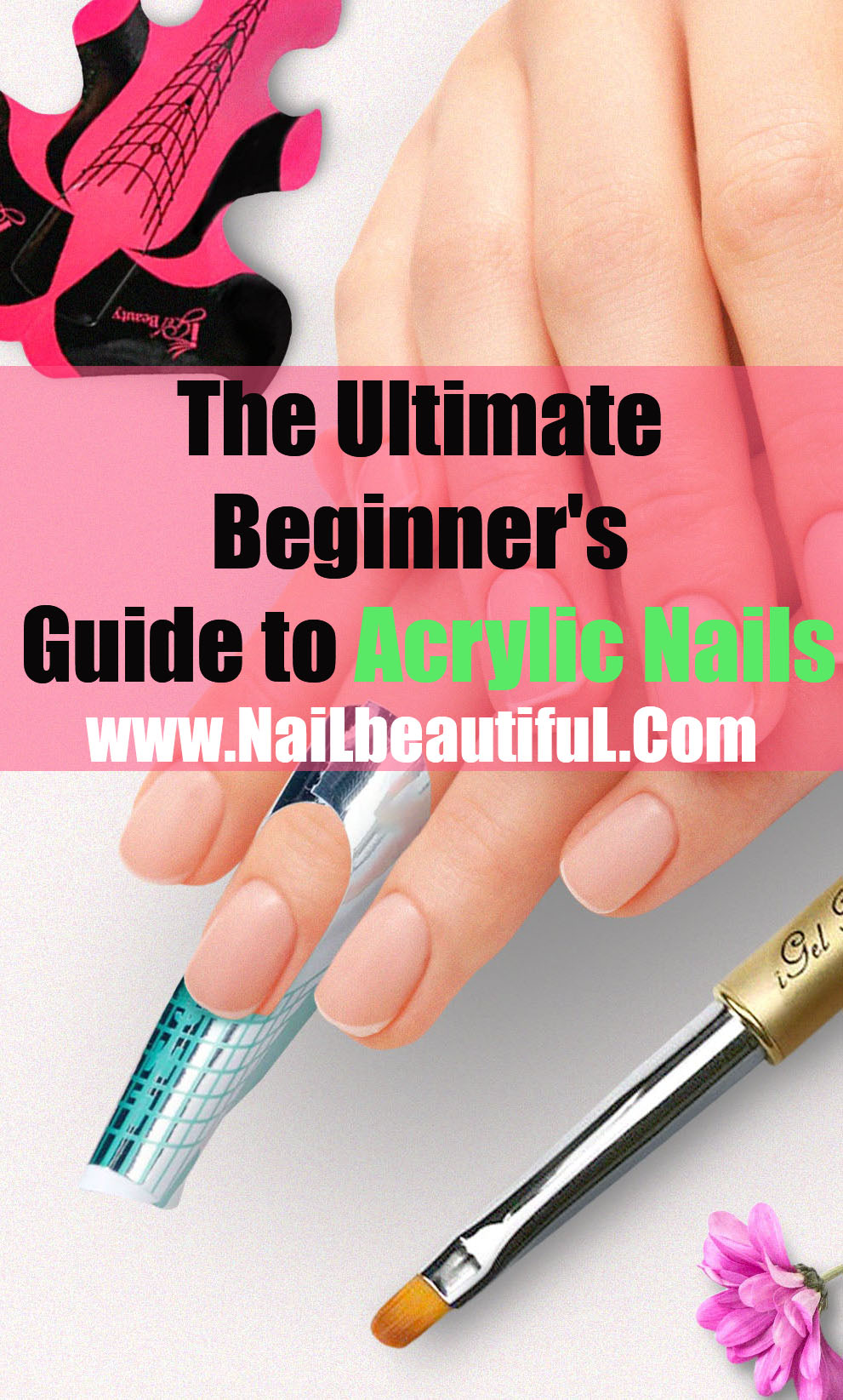
The Ultimate Beginner's Guide to Acrylic Nails

The Ultimate Beginner's Guide to Acrylic Nails

 If you're new to acrylic nails and looking for guidance on how to get started, here's the ultimate beginner's guide to acrylic nails:

The Ultimate Beginner's Guide to Acrylic Nails
Understand What Acrylic Nails Are: 

Acrylic nails are artificial enhancements applied to natural nails to add length and strength. They're made from a mixture of a liquid monomer and a powder polymer that hardens when exposed to air.

Understand What Acrylic Nails Are

Gather Your Supplies: 

To get started with acrylic nails, you'll need a few essential supplies including acrylic powder, acrylic liquid (monomer), nail primer, acrylic brush, nail tips (if you're extending your nails), a nail file, buffer, and a dappen dish for holding the acrylic liquid.

Gather Your Supplies
Prepare Your Natural Nails: 

Start by removing any existing nail polish and gently pushing back your cuticles. Use a nail file to shape your nails and remove any shine from the surface, which will help the acrylic adhere better.

Apply Nail Tips (Optional): 

If you want to extend the length of your nails, apply nail tips to the edge of your natural nails using nail glue. Trim and shape the tips to your desired length.

Apply Primer: 

Apply a small amount of nail primer to your natural nails to dehydrate the surface and promote better adhesion of the acrylic.

Mix Acrylic Liquid and Powder: 

Dip your acrylic brush into the dappen dish containing acrylic liquid, then dip it into the acrylic powder to create a small bead of acrylic mixture on your brush.

Apply Acrylic to Nail Bed: 

Place the bead of acrylic mixture onto your nail bed near the cuticle area and gently spread it out using your brush, working from the cuticle to the tip of your nail. Use a gentle tapping motion to smooth out the acrylic and shape it as desired.

Shape and File: 

Once the acrylic has dried and hardened, use a nail file to shape and refine the nails to your desired length and shape. Be sure to smooth out any rough edges or uneven surfaces.

Buff and Polish: 

Use a buffer to smooth the surface of the acrylic nails and remove any imperfections. You can then apply your favorite nail polish or finish with a clear top coat for a glossy finish.

Maintenance: 

Acrylic nails typically require maintenance every 2-3 weeks to fill in the growth gap near the cuticle area and keep them looking fresh. You can visit a professional nail technician for maintenance or learn how to do it yourself with practice.


Removal: 

When you're ready to remove your acrylic nails, it's essential to do so carefully to avoid damaging your natural nails. You can soak them in acetone or use acrylic nail removal wraps to safely dissolve the acrylic.

Practice and Patience: 

Acrylic nails can take some practice to master, so don't be discouraged if your first attempt isn't perfect. With time and patience, you'll improve your technique and create beautiful acrylic nail designs.

Remember to prioritize nail health by giving your nails breaks in between acrylic applications and keeping them properly hydrated with cuticle oil. Enjoy the process of experimenting with different acrylic nail designs and techniques!

Thursday, March 14, 2024

How To Remove Acrylic Nails at Home

 How To Remove Acrylic Nails at Home

Removing acrylic nails can be done at home with the right tools and techniques. Here's a step-by-step guide on how to safely remove acrylic nails:

How To Remove Acrylic Nails at Home

Materials Needed:

Acetone

Nail clippers

Nail file

Cotton balls or pads

Aluminum foil

Cuticle oil or moisturizer

Step 1: Trim the Nails

Use nail clippers to trim the acrylic nails down as much as possible. This will help speed up the removal process and minimize the amount of acrylic to be soaked off.

Step 2: File the Surface

Use a nail file to gently roughen the surface of the acrylic nails. This will break the seal and allow the acetone to penetrate more effectively.

Step 3: Soak in Acetone

How To Remove Acrylic Nails at Home

Pour acetone into a bowl and soak your nails in it. You can also saturate cotton balls or pads with acetone and place them on top of each nail. Wrap each fingertip with aluminum foil to keep the cotton balls or pads in place and to prevent evaporation.

Step 4: Wait

Allow your nails to soak in the acetone for 20-30 minutes. Check periodically to see if the acrylic has softened. Avoid using too much force to remove the acrylic, as this can damage your natural nails.

Step 5: Remove Acrylic

After soaking, gently push off the softened acrylic using an orange stick or cuticle pusher. Be patient and take your time to avoid damaging your natural nails.

Step 6: Repeat if Necessary

If there are any stubborn areas of acrylic remaining, you may need to repeat the soaking process and gently scrape off the remaining acrylic.

Step 7: Moisturize

Once all the acrylic has been removed, wash your hands thoroughly with soap and water to remove any residue. Apply cuticle oil or moisturizer to hydrate your nails and surrounding skin.

Important Tips:

Always use acetone to remove acrylic nails. Non-acetone polish removers are not effective for acrylic removal.

Avoid forcefully pulling or ripping off acrylic nails, as this can cause damage and weaken your natural nails.

If you experience any discomfort or pain during the removal process, stop immediately and seek professional assistance.

By following these steps, you can safely and effectively remove acrylic nails at home. Remember to take your time and be gentle to protect the health and integrity of your natural nails. If you're unsure or uncomfortable with the removal process, consider visiting a professional nail technician for assistance.

Featured

[Featured][recentbylabel]

Featured

[Featured][recentbylabel]
Notification
This is just an example, you can fill it later with your own note.
Done